Murchison Falls National Park
About Murchison Falls National Park
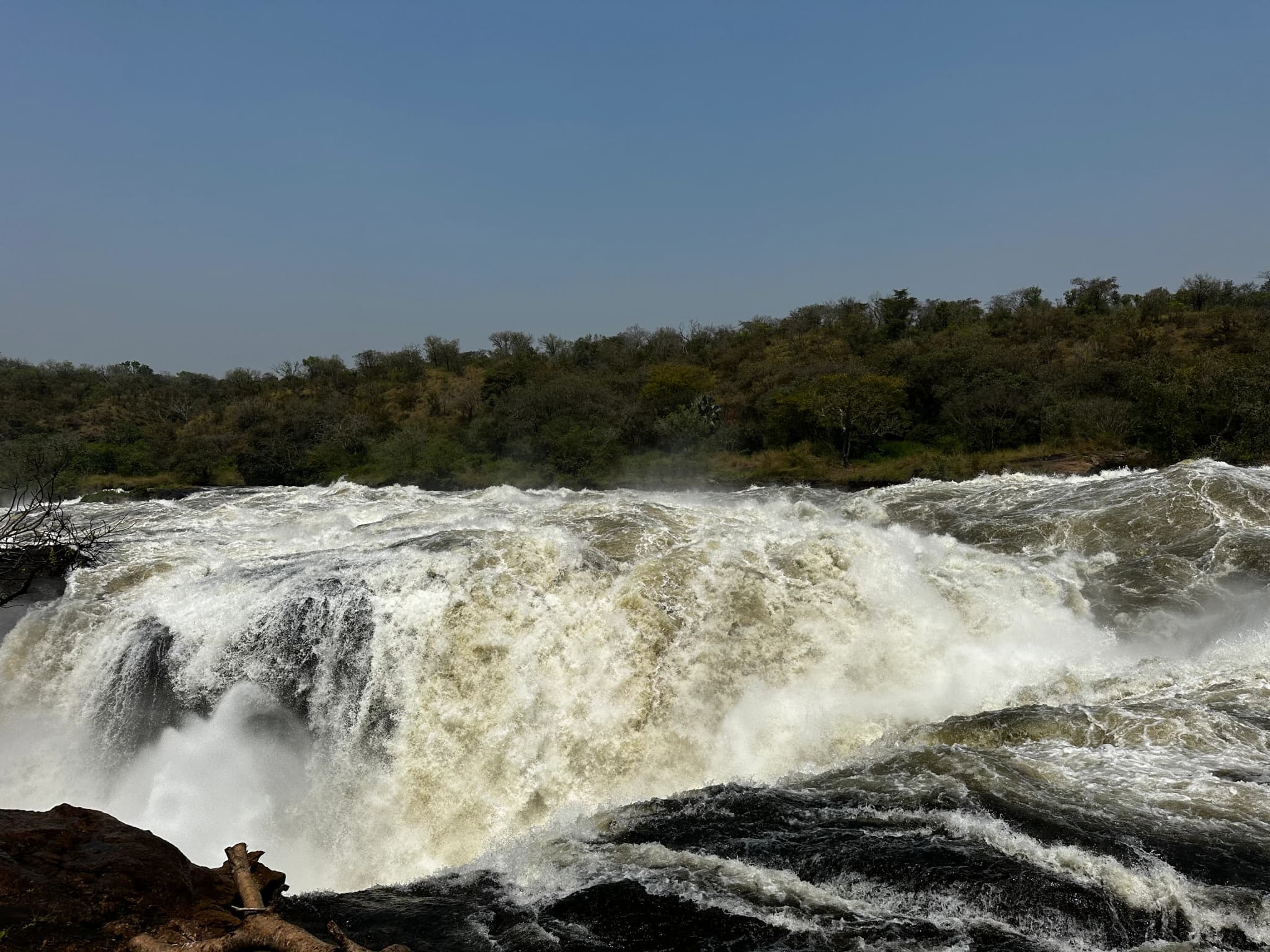
Situated at the northern end of the Albertine Rift Valley, Murchison Falls National Park is Uganda's largest park covering 3,893 km². The Victoria Nile cascades 45 meters through a narrow gorge, creating Africa's most powerful waterfall. Home to 144 mammal species and 556 bird species. Accommodation options include: Bakers Lodge, Chobe Safari Lodge, Paraa Safari Lodge.
Experience Murchison Falls National Park
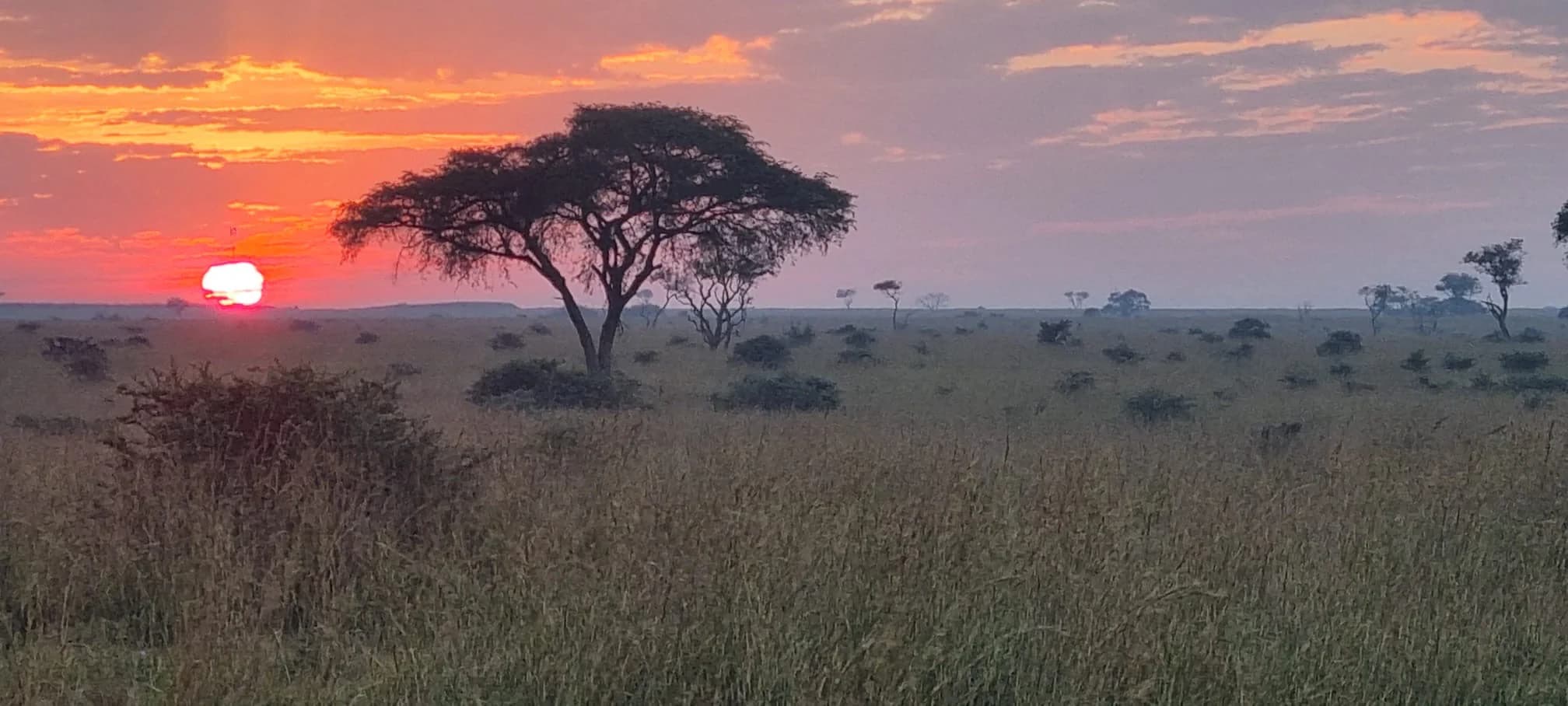
Uganda's Oldest and Largest Conservation Area
Explorers John Speke and James Grant were the first Europeans to visit the area in 1862. The falls were more thoroughly explored by Samuel and Florence Baker in 1863-64, who named them Murchison Falls after geologist Roderick Murchison, then president of the Royal Geographical Society.
In 1910, the Bunyoro Game Reserve was created south of the River Nile, marking the beginning of formal conservation in the area. The park was officially established as a national park in 1952, becoming Uganda's first and largest protected area.
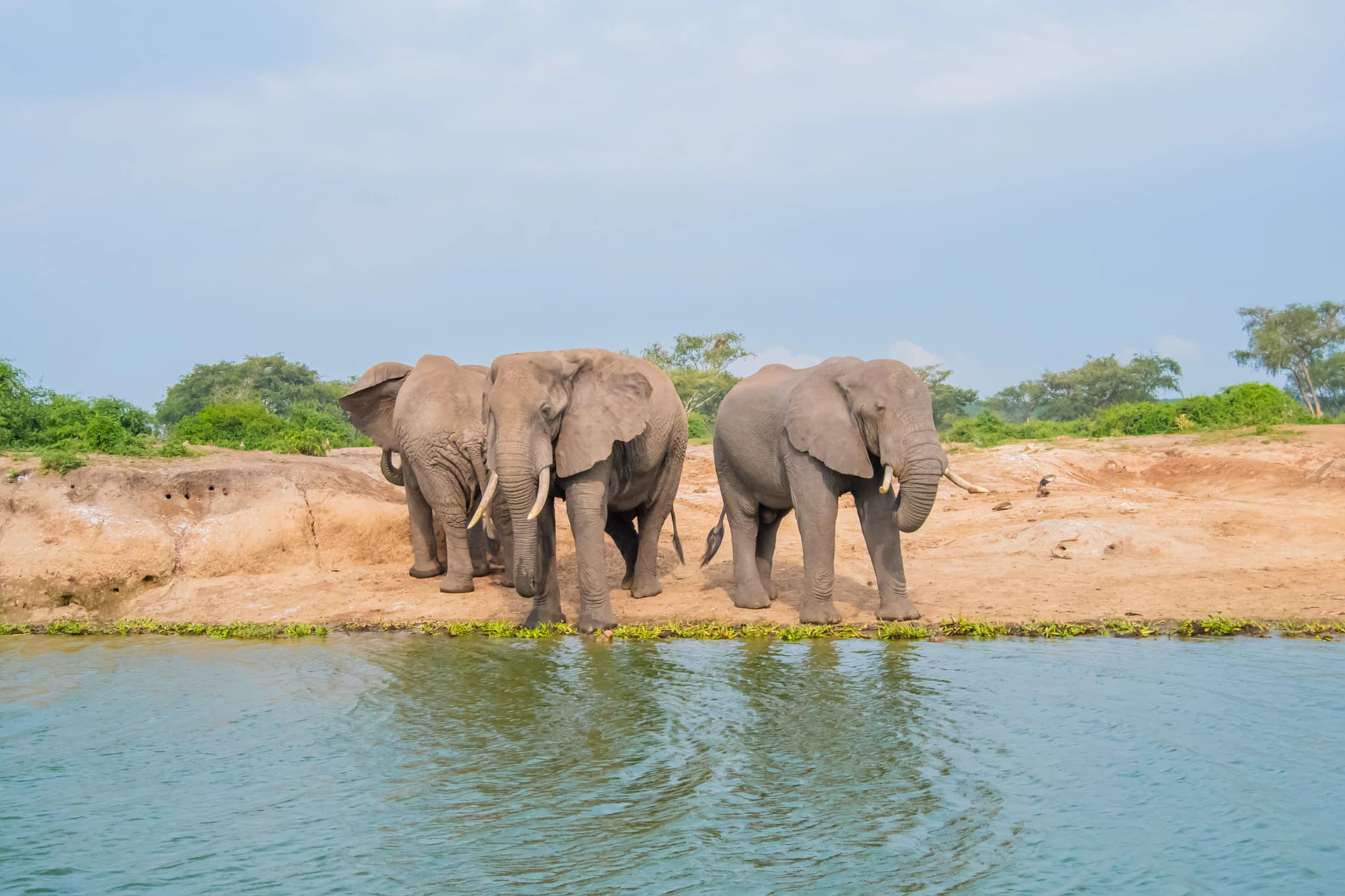
During the 1960s, Murchison Falls was the most-visited park in Uganda and among Africa's most popular wildlife destinations. However, during Uganda's civil wars in the 1970s and early 1980s, wildlife populations collapsed with only 200 elephants (1.3% of pre-war numbers) surviving by 1995.
Since the restoration of peace, the park has undergone remarkable recovery. Wildlife populations have rebounded significantly, and Murchison Falls has reclaimed its position as one of East Africa's premier safari destinations, demonstrating the resilience of nature when given protection.
Geography & Climate
Geography
Murchison Falls National Park is Uganda's largest protected area, covering approximately 3,893 square kilometers in northwestern Uganda. The park is bisected by the Victoria Nile, which flows east to west for about 115 kilometers before reaching Lake Albert. The landscape features rolling savanna grasslands, riverine forests, and wooded valleys creating diverse habitats for abundant wildlife.
Climate
The park sits at a relatively low elevation with hot weather year-round. Average daily temperatures peak at 32-33°C (90-91°F), with cooler mornings and evenings. The park is drier than Uganda's forested highlands, creating ideal conditions for savanna wildlife. Two distinct seasons characterize the climate, though the park can be visited year-round.
Wildlife & Nature
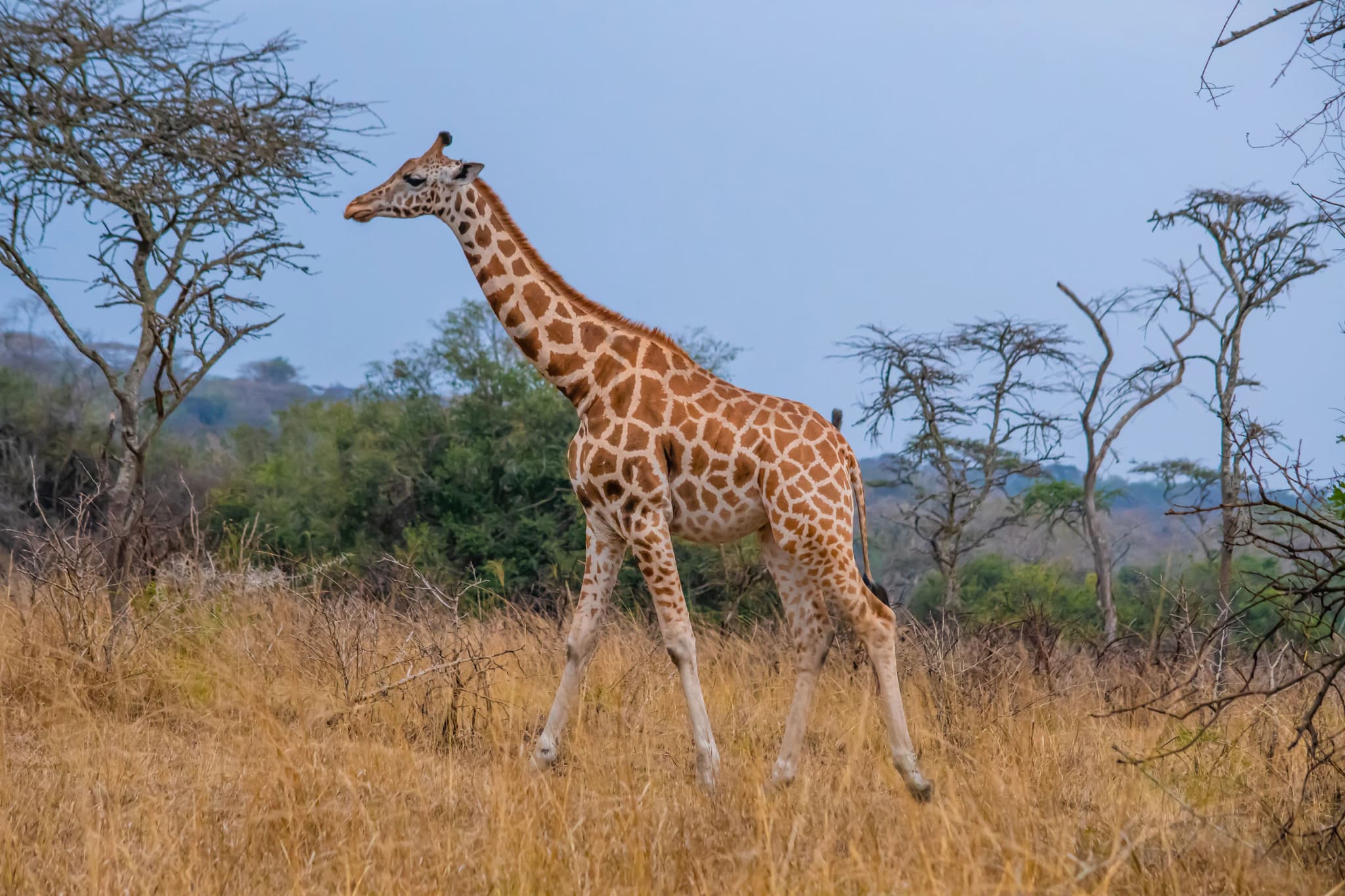
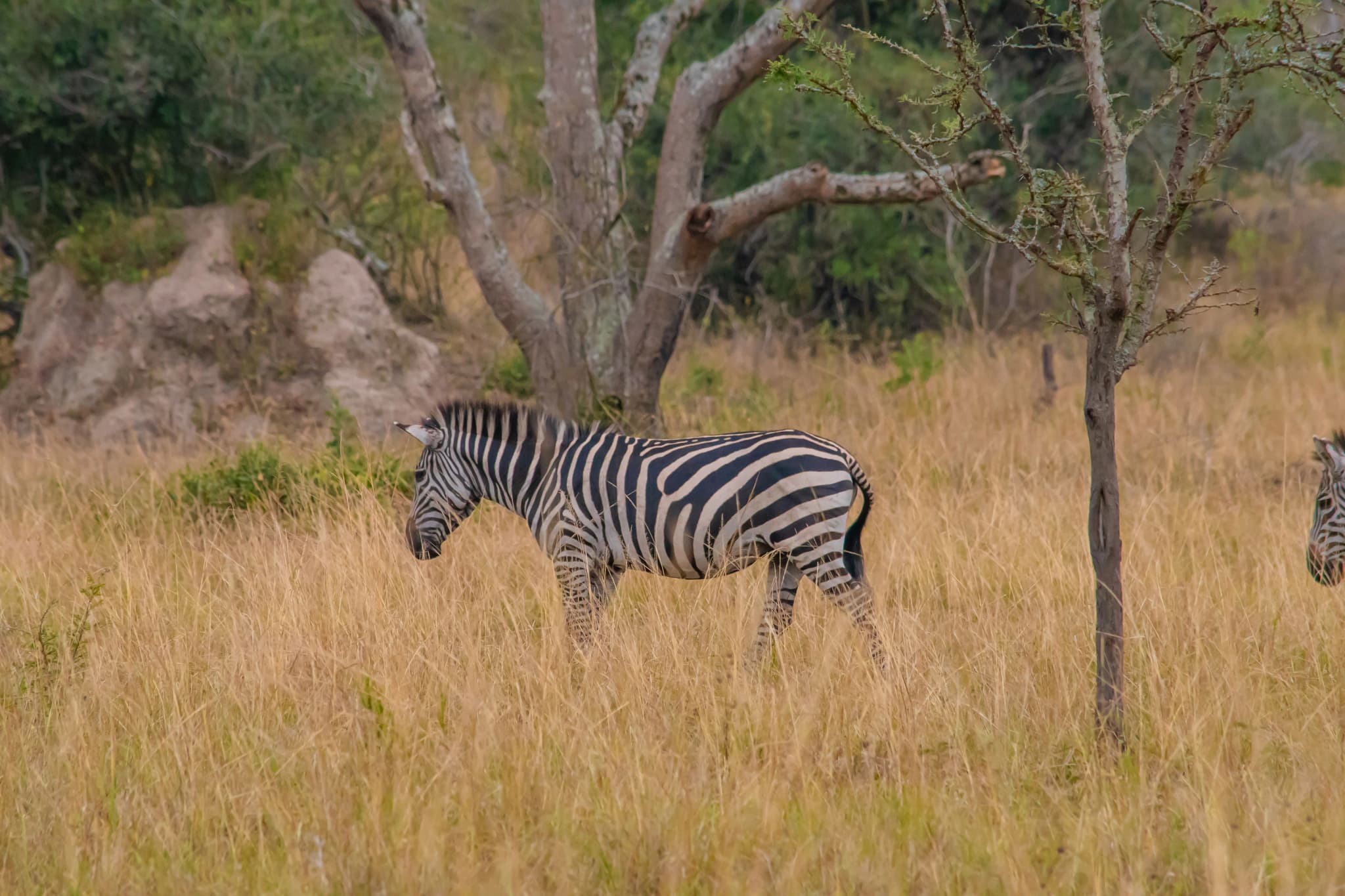
Murchison Falls hosts one of East Africa's most spectacular wildlife concentrations. The park is home to 144 mammal species and 556 bird species. The Victoria Nile supports Uganda's largest Nile crocodile population and massive pods of hippos. The park contains four of the 'Big Five' (buffalo, leopard, lion, and elephant) and has three-quarters of the world's Rothschild giraffe population.
Mammals
- Rothschild Giraffes (three-quarters of world population)
- African Elephants (populations recovering strongly)
- Lions (including tree-climbing pride)
- Leopards
- African Buffalo (large herds)
- Nile Crocodiles (largest population in Uganda)
- Hippopotamus (massive concentrations)
- Ugandan Kob
- Jackson's Hartebeest
- Oribis
- Waterbuck
- Bushbucks
- Warthogs
Birds
- Shoebill Stork (Albert Delta)
- Goliath Heron
- African Fish Eagle
- Malachite Kingfisher
- Pied Kingfisher
- Giant Kingfisher
- Abyssinian Ground Hornbill
- Grey Crowned Crane
- Saddle-billed Stork
- Marabou Stork
- African Jacana
- Red-throated Bee-eater (thousands migrate here)
Flora
- Borassus Palm forests
- Acacia trees (various species)
- Combretum woodland
- Riverine Fig trees
- Sausage trees (Kigelia africana)
- Savanna grasslands (Themeda and Hyparrhenia species)
- Candelabra Euphorbia
- Papyrus swamps (especially at Albert Delta)
- Tamarind trees
- Wild Date Palms
Local Culture & Communities
The Murchison Falls area has deep cultural significance to the Bunyoro Kingdom and the Alur people. Local communities living around the park maintain traditional lifestyles including fishing on Lake Albert and agriculture. The park's recovery has been supported by community conservation initiatives that benefit local people through tourism revenue and employment.
Cultural Experiences
- Visit Bunyoro-Kitara Kingdom palace and learn about this ancient monarchy's history
- Experience traditional Banyoro and Alur dances and drumming performances
- Tour fishing villages along Lake Albert and learn traditional fishing methods
- Participate in community-led nature walks with local guides who share indigenous ecological knowledge
- Visit local craft markets featuring traditional Bunyoro basket weaving and pottery
- Engage with community conservation projects that protect wildlife corridors
Best Time to Visit
Murchison Falls can be visited year-round, though wildlife viewing quality and accessibility vary with the seasons. The park's low elevation creates hot conditions throughout the year.
Dry Season (December-February & June-July)
The dry season offers the best wildlife viewing as animals concentrate around the Nile and permanent waterholes. Roads are in excellent condition, making game drives more comfortable. Vegetation is less dense, providing better visibility for spotting predators and large herbivores. The spectacular Murchison Falls can be fully appreciated with lower water flow creating clearer views. This is peak season for boat safaris on the Nile.
Wet Season (March-May & August-November)
The wet season transforms the park with lush green vegetation and migrating bird species, making it paradise for bird watchers. Wildlife disperses across the park as water becomes available everywhere, making sightings more challenging but more rewarding. The falls are at their most powerful with high water volumes creating dramatic spray. Some roads may become difficult to navigate, limiting access to certain areas. Fewer tourists mean a more exclusive safari experience.
More of Murchison Falls National Park