Bwindi Impenetrable National Park
About Bwindi Impenetrable National Park
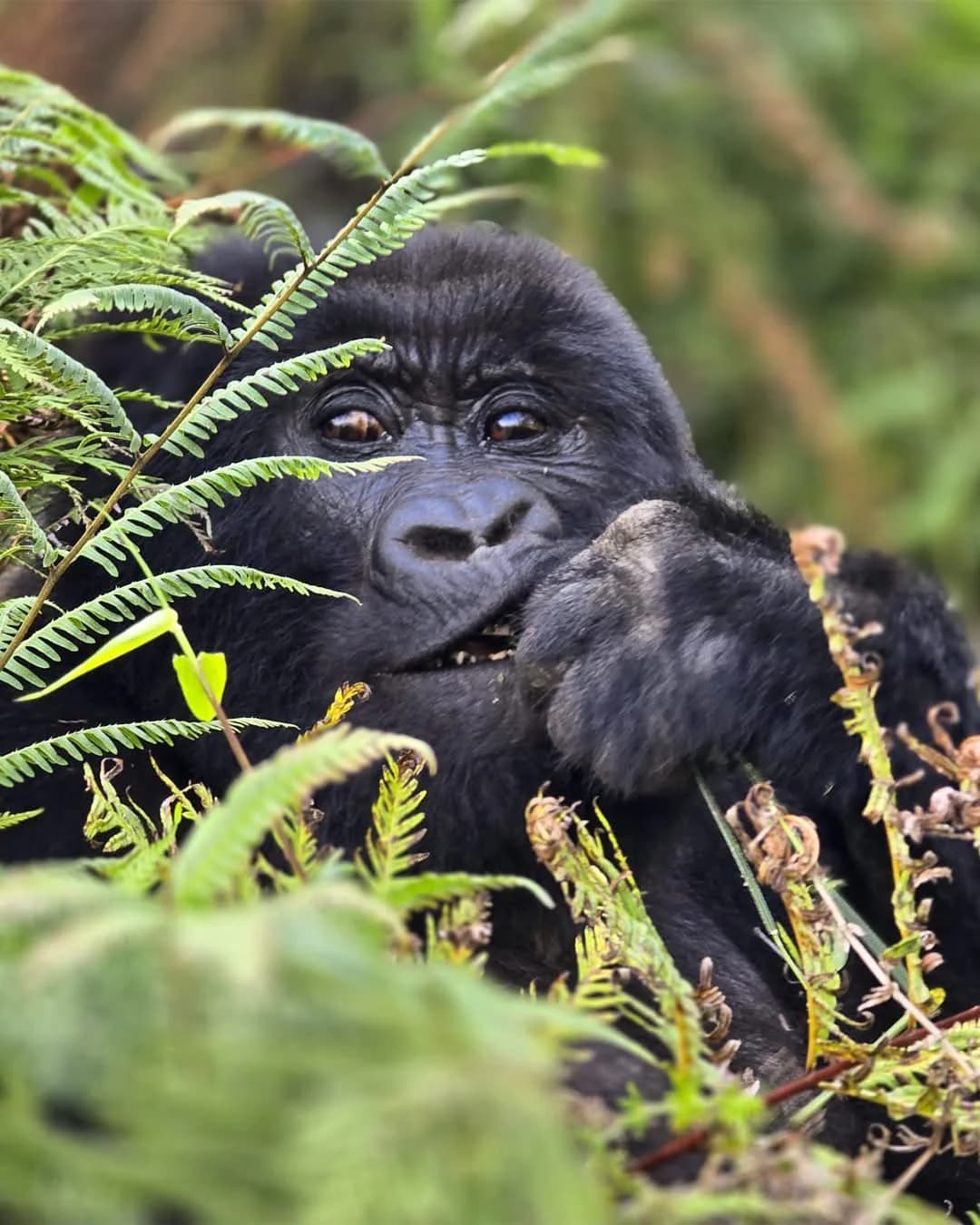
Located in southwestern Uganda on the edge of the Rift Valley, Bwindi's mist-covered hillsides are blanketed by one of Uganda's oldest rainforests dating back 25,000 years. Protects 400 mountain gorillas - half the world's population. Accommodation options include: Buhoma Lodge, Bwindi Lodge, Cloud Mountain Gorilla Lodge, Silverback Lodge, Gorilla Forest Camp, Mahogany Springs.
A 25,000-Year-Old Rainforest Sanctuary
In 1932, two blocks of the forest were designated as Crown Forest Reserves (Kayonza and Kasatora), which were combined and enlarged in 1942 and renamed the Impenetrable Central Crown Forest.
The forest earned its national park status in 1991 when it was designated as Bwindi Impenetrable National Park to protect its exceptional biodiversity and the critically endangered mountain gorillas.
Gorilla tracking became a tourist activity in April 1993, revolutionizing conservation tourism in Uganda. In 1994, the park was inscribed on the World Heritage List in recognition of its outstanding universal value.
This ancient rainforest, dating back over 25,000 years, is one of the most biologically diverse areas in East Africa, having survived the last ice age when most of Africa's forests disappeared.
Geography & Climate
Geography
Located in southwestern Uganda on the edge of the Rift Valley, Bwindi's mist-covered hillsides span 331 square kilometers of ancient montane and lowland forest. The park's terrain is characterized by steep ridges and narrow valleys, with elevations ranging from 1,160 to 2,607 meters above sea level. This diverse topography creates multiple ecological zones within the forest.
Climate
Bwindi experiences a tropical climate with temperatures averaging 11-23°C (52-73°F). The park receives high rainfall, with an annual average of 1,400-1,900mm. The climate is influenced by the altitude, with higher elevations experiencing cooler temperatures and heavier mist cover, creating the mystical atmosphere the park is famous for.
Wildlife & Nature
Bwindi is home to 400 mountain gorillas—nearly half of the world's remaining population—distributed across 14 habituated family groups in four sectors: Buhoma, Ruhijja, Rushaga, and Nkuringo. The park's biodiversity is staggering, representing one of the richest faunal communities in East Africa with species that have adapted to this ancient ecosystem over millennia.
Mammals
- Mountain Gorillas (400 individuals, half the world's population)
- Chimpanzees
- L'Hoest's Monkeys
- Black-and-white Colobus Monkeys
- African Elephants (forest subspecies)
- Giant Forest Hogs
- African Golden Cats
- Duikers (multiple species)
- Bushbucks
- Leopards
Birds
- African Green Broadbill
- Grauer's Rush Warbler
- Shelley's Crimsonwing
- Ruwenzori Turaco
- African Wood Owl
- Handsome Francolin
- Short-tailed Warbler
- Western Green Tinkerbird
- Yellow-eyed Black Flycatcher
- Kivu Ground Thrush
Flora
- Over 200 tree species (including 10 endemic species)
- Giant Tree Ferns
- African Mahogany
- Wild Banana Trees
- Hagenia Trees
- 104 species of Ferns
- Orchids (multiple species)
- Lianas and Vines
- Mosses and Lichens
- Bamboo Stands (at higher elevations)
Local Culture & Communities
The Batwa people, often called the 'Keepers of the Forest,' are the original inhabitants of Bwindi, having lived as hunter-gatherers in this forest for thousands of years. When the area was designated as a national park in 1991, the Batwa were evicted from their ancestral home without compensation, fundamentally changing their way of life. Despite this displacement, they remain culturally connected to the forest and its gorillas.
Cultural Experiences
- Batwa Cultural Trail - Experience traditional hunting techniques, fire-making, and forest medicine gathering
- Traditional Batwa dance performances showcasing their rich musical heritage
- Learn about the Batwa's spiritual connection to the forest and their traditional conservation practices
- Visit Batwa community settlements and support sustainable livelihood projects
- Hear oral histories and legends passed down through generations about life in the forest
- Participate in traditional pottery and basket weaving workshops
Best Time to Visit
Bwindi Impenetrable National Park can be visited year-round for gorilla trekking, with each season offering unique experiences. The park's accessibility and trekking conditions vary significantly between dry and wet seasons.
Dry Season (June-August & December-February)
The dry season offers the best trekking conditions with less muddy trails and easier navigation through the steep forest terrain. This is the peak tourist season with higher demand for gorilla permits. Vegetation is less dense, making gorilla photography somewhat easier, though the gorillas may range further in search of food.
Wet Season (March-May & September-November)
The wet season sees fewer tourists and lush, vibrant vegetation. Trails can be slippery and challenging, requiring good fitness levels. Gorillas tend to stay closer to lower elevations where food is more abundant, potentially making treks shorter. The forest is at its most beautiful with blooming flowers and active wildlife, perfect for photographers willing to brave the rain.