Mgahinga Gorilla National Park
About Mgahinga Gorilla National Park
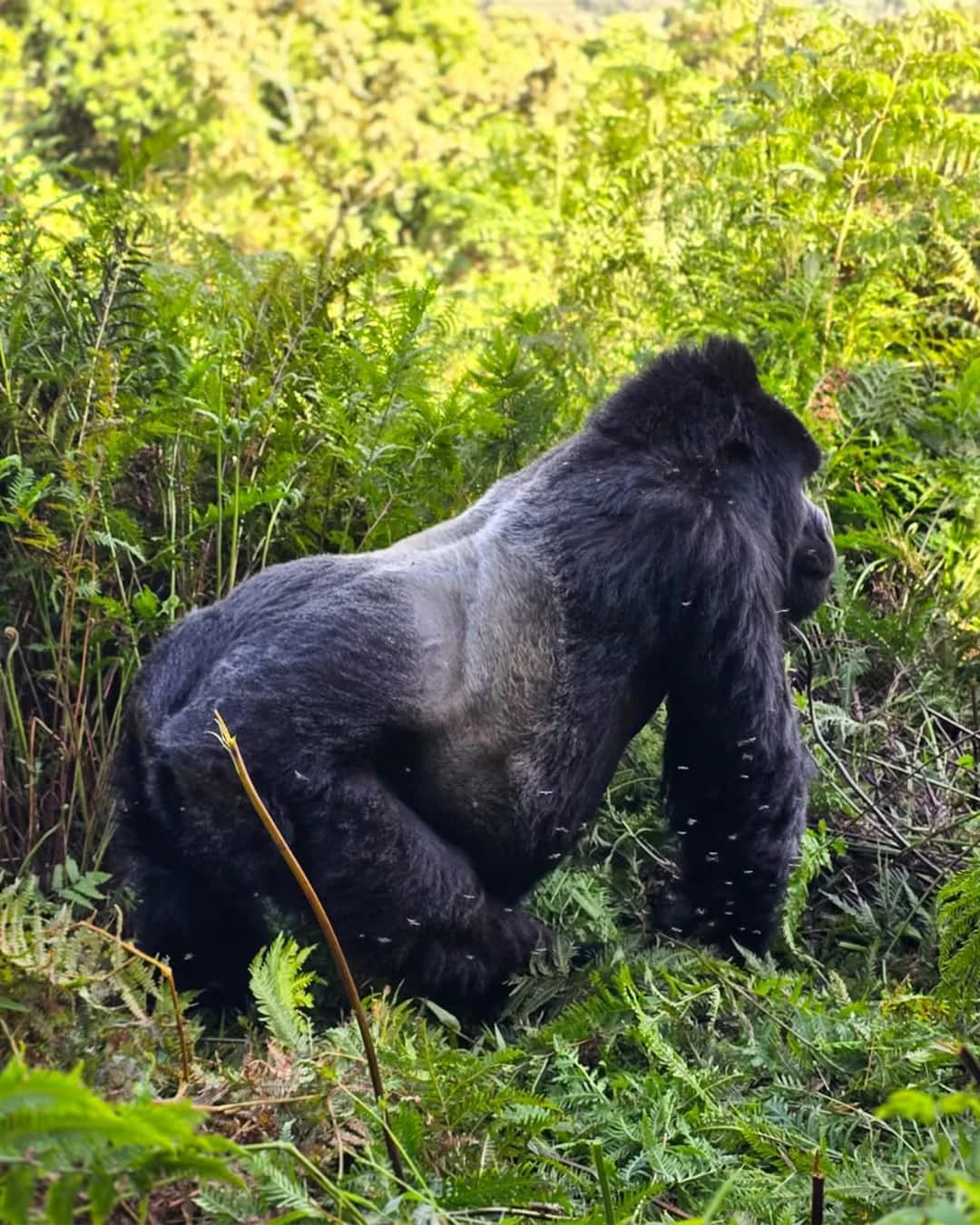
Mgahinga Gorilla National Park sits between 2,227m and 4,127m above sea level. It protects mountain gorillas and endangered golden monkeys across three extinct volcanoes: Muhabura, Gahinga, and Sabyinyo. Experience Batwa Pygmy culture.
Where Gold Meets Silver in the Virungas
Mgahinga Gorilla National Park was established in 1991, making it one of Uganda's newer national parks. Its creation was specifically aimed at protecting mountain gorillas and their habitat in the Ugandan portion of the Virunga Mountains.
Before 1991, the area was inhabited by the Batwa pygmy people who had lived in the forest for generations as hunter-gatherers. The park's establishment led to their eviction from their ancestral lands, fundamentally changing their traditional lifestyle and creating ongoing social challenges.
The park is part of the larger Virunga Conservation Area, a transboundary initiative shared with Rwanda's Volcanoes National Park and the Democratic Republic of Congo's Virunga National Park. This regional cooperation is essential for gorilla conservation since the animals move freely across international borders.
Despite being Uganda's smallest national park at just 33.7 square kilometers, Mgahinga plays a critical role in mountain gorilla conservation and is the only place in Uganda where golden monkeys can be tracked, making it unique in the country's protected area network.
Geography & Climate
Geography
Mgahinga Gorilla National Park occupies the Ugandan slopes of three extinct volcanoes in the Virunga Mountains: Mount Muhabura (4,127m), Mount Gahinga (3,474m), and Mount Sabyinyo (3,645m). The park sits at elevations between 2,227m and 4,127m, creating dramatic mountainous terrain. The volcanic soils support lush vegetation zones from montane forest through bamboo to alpine moorland. The park's position at the convergence of Uganda, Rwanda, and DRC creates a unique tri-border wilderness.
Climate
Mgahinga experiences a cool mountain climate with temperatures varying significantly by altitude. Daytime temperatures average 15-20°C (59-68°F) at lower elevations, dropping near freezing at the summits. The park receives high rainfall throughout the year, with slightly drier periods in June-August and December-January. Dense mist and fog are common, especially in the afternoon, creating the atmospheric conditions that define the Virunga Mountains.
Wildlife & Nature
Mgahinga's high-altitude ecosystem supports specialized species adapted to mountain conditions. The park is home to one habituated mountain gorilla family, the Nyakagezi group with 9 members. The park is Uganda's only location for golden monkey tracking, with two habituated troops available for tourism. The volcanic mountain environment creates unique wildlife viewing opportunities in bamboo forests and montane vegetation.
Mammals
- Mountain Gorillas (Nyakagezi family: 4 silverbacks, 2 females, 1 juvenile, 2 infants)
- Golden Monkeys (two habituated troops)
- African Buffalo (in bamboo and montane forest zones)
- African Elephants (rare, occasional visitors)
- Black-and-white Colobus Monkeys
- L'Hoest's Monkeys
- Bushbucks
- Duikers (several species)
- Giant Forest Hogs
- Leopards (rarely seen)
Birds
- Rwenzori Turaco
- Scarlet-tufted Malachite Sunbird
- Dusky Crimsonwing
- Kivu Ground Thrush
- Rwenzori Batis
- Archer's Robin-chat
- Montane Double-collared Sunbird
- Olive Woodpecker
- Alpine Chat (on higher volcanic slopes)
- Handsome Francolin
- Cinnamon-chested Bee-eater
Flora
- Bamboo forests (extensive zones - primary golden monkey habitat)
- Hagenia-Hypericum montane forest
- Giant Lobelias (on upper volcanic slopes)
- Giant Groundsels (alpine zones)
- Helichrysum (Everlasting flowers)
- Senecio species
- Mountain Heathers
- Wild Celery (gorilla food)
- Thistle plants
- Mountain Bamboo (Sinarundinaria alpina)
- Mosses and lichens (abundant)
Local Culture & Communities
The Batwa pygmy people are intimately connected to Mgahinga's history and forests. As the original inhabitants, they lived in the Virunga forests for thousands of years before being displaced when the park was created in 1991. Today, they live on the park's edges, struggling to adapt to a sedentary lifestyle while trying to preserve their cultural identity and forest knowledge.
Cultural Experiences
- Batwa Trail - a moving cultural experience led by Batwa guides through their former forest home
- Learn traditional Batwa hunting techniques, including bow and arrow demonstrations
- Discover medicinal plants and their uses as explained by Batwa elders
- Experience sacred Batwa caves, including Garama Cave where the Batwa king once lived
- Participate in traditional Batwa music, dance, and fire-making ceremonies
- Hear oral histories and legends about life in the forest before displacement
- Support Batwa community craft cooperatives and cultural preservation initiatives
Best Time to Visit
Mgahinga's high-altitude location means visitors should prepare for rain at any time of year. However, rainfall patterns do create periods when conditions are somewhat more favorable for gorilla tracking and volcano hiking.
Dry Season (December-January & June-August)
The drier months offer the best conditions for both gorilla tracking and volcano climbing. While rain is still possible, it's generally less frequent and intense. The steep volcanic slopes are more easily navigable when less muddy, making the challenging terrain somewhat safer for trekking. Golden monkey tracking is more comfortable with drier bamboo forest trails. Summit hikes to the three volcanoes have better success rates with clearer weather providing spectacular views across the Virunga chain. Photography opportunities improve with better light and visibility.
Wet Season (February-May & September-November)
The wet season sees heavy rainfall making the already steep volcanic slopes extremely challenging and potentially dangerous when muddy. However, the bamboo forests are lush and beautiful—ideal habitat for golden monkeys which are highly active. Gorilla tracking continues year-round, though trekkers should prepare for difficult conditions with proper waterproof gear. The reduced number of visitors means more intimate wildlife encounters. The dramatic weather creates spectacular photographic opportunities for those willing to brave the elements. The volcanoes are frequently shrouded in mist, creating the mystical atmosphere the Virungas are famous for.