Queen Elizabeth National Park
About Queen Elizabeth National Park
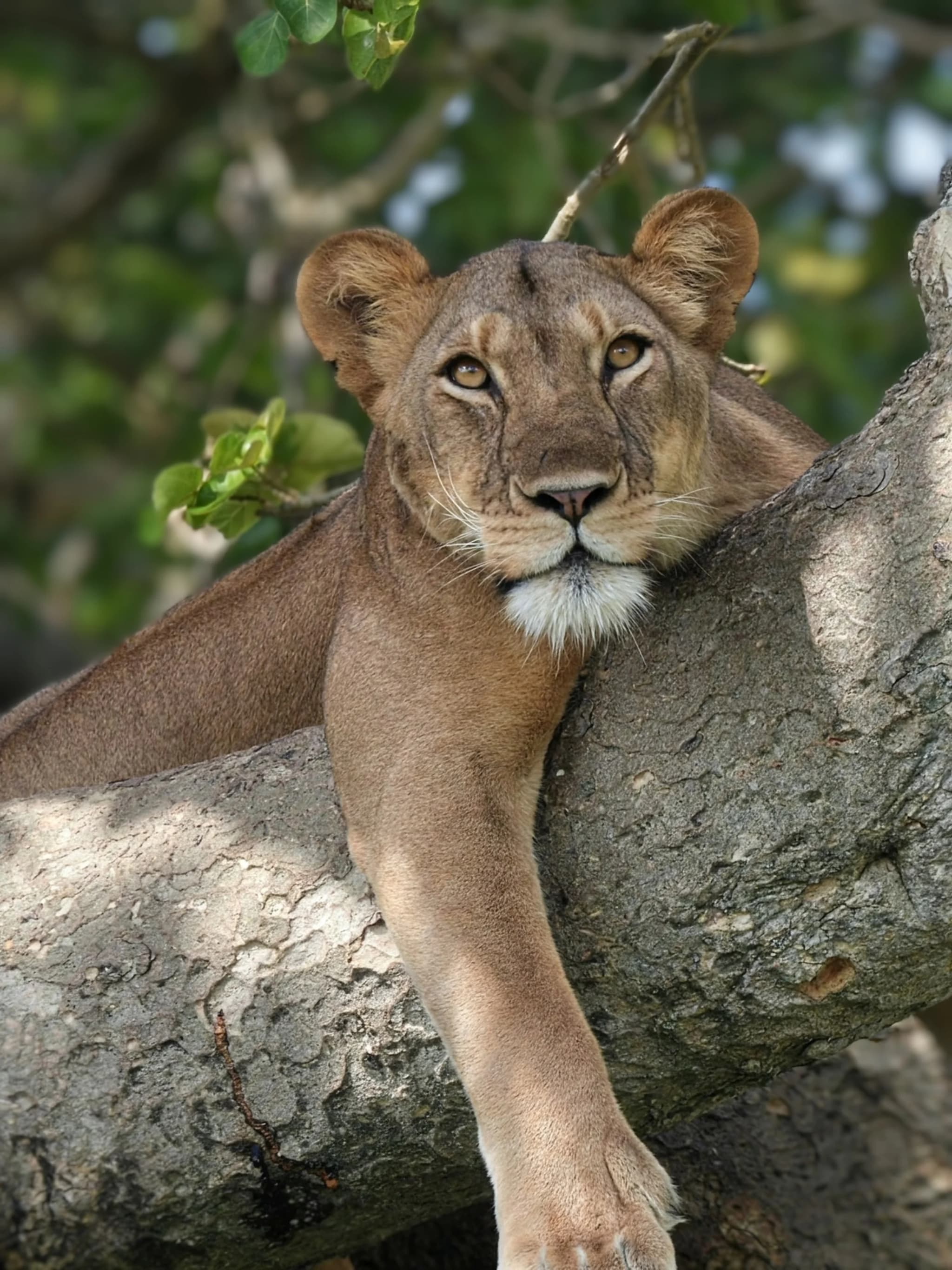
Undoubtedly Uganda's most popular tourist destination, Queen Elizabeth National Park boasts diverse ecosystems including sprawling savanna, forests, lakes, and wetlands. Home to 95 mammal species and over 600 bird species. Famous for tree-climbing lions in Ishasha and the Kazinga Channel.
From Royal Visit to Conservation Icon
The park was founded in 1952 as Kazinga National Park by combining the Lake George and Lake Edward Game Reserves. These areas had been protected since the early colonial period to preserve the exceptional wildlife populations.
In 1954, following Queen Elizabeth II's visit to Uganda, the park was renamed Queen Elizabeth National Park in her honor. This royal connection brought international attention to Uganda's conservation efforts.
The park has weathered several crises including poaching during Uganda's civil wars in the 1970s and 1980s. Wildlife populations declined dramatically, but dedicated conservation efforts since the 1990s have restored the park to its former glory.
Today, Queen Elizabeth National Park stands as one of Africa's greatest wildlife havens and Uganda's most popular safari destination, showcasing successful conservation and community partnerships.
Geography & Climate
Geography
Spanning approximately 1,978 square kilometers in southwestern Uganda, Queen Elizabeth National Park encompasses remarkable ecological diversity. Nestled between the majestic Rwenzori Mountains and the shores of Lake Edward, the park features savannahs, wetlands, lowland forests, and volcanic crater lakes. The park sits astride the equator, with monuments marking this unique geographical position.
Climate
The park enjoys a pleasant climate with moderate temperatures year-round, cooled by its proximity to the Rwenzori Mountains and the Great Rift Valley lakes. Average temperatures range from 18-28°C (64-82°F). The region receives bimodal rainfall with two wet and two dry seasons, creating dynamic seasonal changes in the landscape and wildlife behavior.
Wildlife & Nature
Queen Elizabeth National Park is home to over 95 mammal species and an astonishing 600+ bird species, making it one of the highest biodiversity areas in Africa. The park is famous for its tree-climbing lions in the Ishasha sector, large elephant herds, and the highest concentration of hippos along the Kazinga Channel—one of nature's greatest wildlife spectacles.
Mammals
- Tree-climbing Lions (Ishasha sector)
- African Elephants (large herds)
- Hippopotamus (highest concentration in East Africa)
- African Buffalo
- Leopards
- Uganda Kob (tens of thousands)
- Giant Forest Hogs
- Chimpanzees (Kyambura Gorge)
- Warthogs
- Waterbuck
- Topi
- Bushbuck
- Spotted Hyena
Birds
- African Skimmer
- Shoebill Stork
- Pink-backed Pelican
- Great White Pelican
- African Fish Eagle
- Martial Eagle
- Grey Crowned Crane
- Papyrus Gonolek
- White-winged Warbler
- Papyrus Canary
- Malachite Kingfisher
- Pied Kingfisher
- Yellow-throated Longclaw
Flora
- Acacia woodlands
- Candelabra Euphorbia forests
- Papyrus swamps (extensive along Kazinga Channel)
- Fig trees (favorite of tree-climbing lions)
- Savanna grasses
- Marantaceae forest (Maramagambo Forest)
- Salt-resistant vegetation (near crater lakes)
- Wild Date Palms
- Phoenix Palms
- Ficus species (various)
Local Culture & Communities
The park is surrounded by vibrant communities including the Basongora, Banyabindi, and Bakonzo people. These communities have traditional connections to the land and its resources. Community conservation programs have created positive relationships between local people and wildlife conservation.
Cultural Experiences
- Visit traditional Basongora cattle-keeping communities and learn about their nomadic heritage
- Experience Kikorongo community cultural performances featuring traditional dances and music
- Tour local craft villages specializing in basket weaving and traditional pottery
- Participate in community-led nature walks through buffer zones with indigenous guides
- Visit salt works at Lake Katwe where salt has been harvested for centuries using traditional methods
- Engage with women's cooperatives producing crafts from sustainable materials
Best Time to Visit
Queen Elizabeth National Park offers excellent wildlife viewing year-round, though experiences vary significantly between seasons. The park's diverse ecosystems remain productive throughout the year.
Dry Season (June-September & December-January)
The dry months provide optimal wildlife viewing as animals concentrate around permanent water sources like the Kazinga Channel and crater lakes. Roads are in excellent condition for game drives. The famous tree-climbing lions are easier to spot as they seek shade in fig trees. Chimpanzee tracking in Kyambura Gorge is more comfortable. Boat cruises on Kazinga Channel reveal massive hippo pods and diverse birdlife along the shores.
Wet Season (March-May & October-November)
The wet season transforms the park into a verdant paradise with lush vegetation and blooming wildflowers. Migratory bird species arrive, creating spectacular birding opportunities with over 600 species possible. Wildlife disperses across the park, making sightings more challenging but rewarding. The Ishasha plains are particularly beautiful. Fewer tourists mean more exclusive safari experiences and better rates at lodges. Some roads may require 4x4 vehicles.