Kidepo Valley National Park
About Kidepo Valley National Park
Located 700km from Kampala, Kidepo Valley lies in the rugged, semi-arid valleys between Uganda's borders with Sudan and Kenya. Gazetted as a national park in 1962, it ranks among Africa's finest wildernesses with over 77 mammal species and 475 bird species. Accommodation options include: Apoka Safari Lodge and Nga'Moru Wilderness Camp.
Uganda's Remote Wilderness Jewel
Kidepo Valley National Park was gazetted in 1962 during the final years of British colonial rule, established to protect the exceptional wildlife populations in Uganda's remote northeast corner. The park's isolation has been both its blessing and its curse.
During Uganda's civil conflicts in the 1970s and 1980s, the park suffered severely from poaching and lack of management. Wildlife populations plummeted, and infrastructure was destroyed. For many years, Kidepo was Uganda's forgotten park, visited by fewer than 100 tourists annually.
Since the restoration of security in the Karamoja region in the mid-2000s, Kidepo has undergone remarkable recovery. Wildlife populations have rebounded dramatically—elephants increased from just 200 in the 1990s to between 650-1,000 today, while lion numbers have grown to approximately 132 individuals.
Despite remaining Uganda's most isolated national park, approximately 520 kilometers from Kampala, Kidepo is now recognized as one of Africa's finest wilderness areas. Those who make the journey are rewarded with pristine savanna landscapes and wildlife experiences reminiscent of East Africa's golden age of safari.
Geography & Climate
Geography
Kidepo Valley National Park lies in the rugged, semi-arid valleys between Uganda's borders with South Sudan and Kenya, covering 1,442 square kilometers. The park features two valley systems: the Kidepo and Narus valleys, separated by mountain ranges. The landscape is characterized by open savanna plains, rocky outcrops, and seasonal rivers that only flow during the rainy season. Mount Morungole rises dramatically from the plains, reaching 2,750 meters.
Climate
Kidepo experiences a semi-arid climate with hot days and cool nights. Daytime temperatures can exceed 35°C (95°F), while nights can drop to 15°C (59°F). The park receives lower rainfall than most Ugandan parks, averaging 700-900mm annually, concentrated in two rainy seasons. During the dry season, the Narus Valley's permanent waterholes become the only water source for miles, concentrating wildlife in spectacular densities.
Wildlife & Nature
Kidepo boasts 77 mammal species including many found nowhere else in Uganda. The park offers East Africa's most spectacular predator viewing, with 20 carnivore species including healthy populations of lions, leopards, cheetahs, and spotted hyenas. The park's isolation has preserved wildlife behaviors rarely seen elsewhere. During the dry season, the Narus Valley becomes one of Uganda's premier wildlife viewing destinations.
Mammals
- Lions (approximately 132 individuals - best lion viewing in Uganda)
- Elephants (650-1,000, recovering population)
- African Buffalo (large herds)
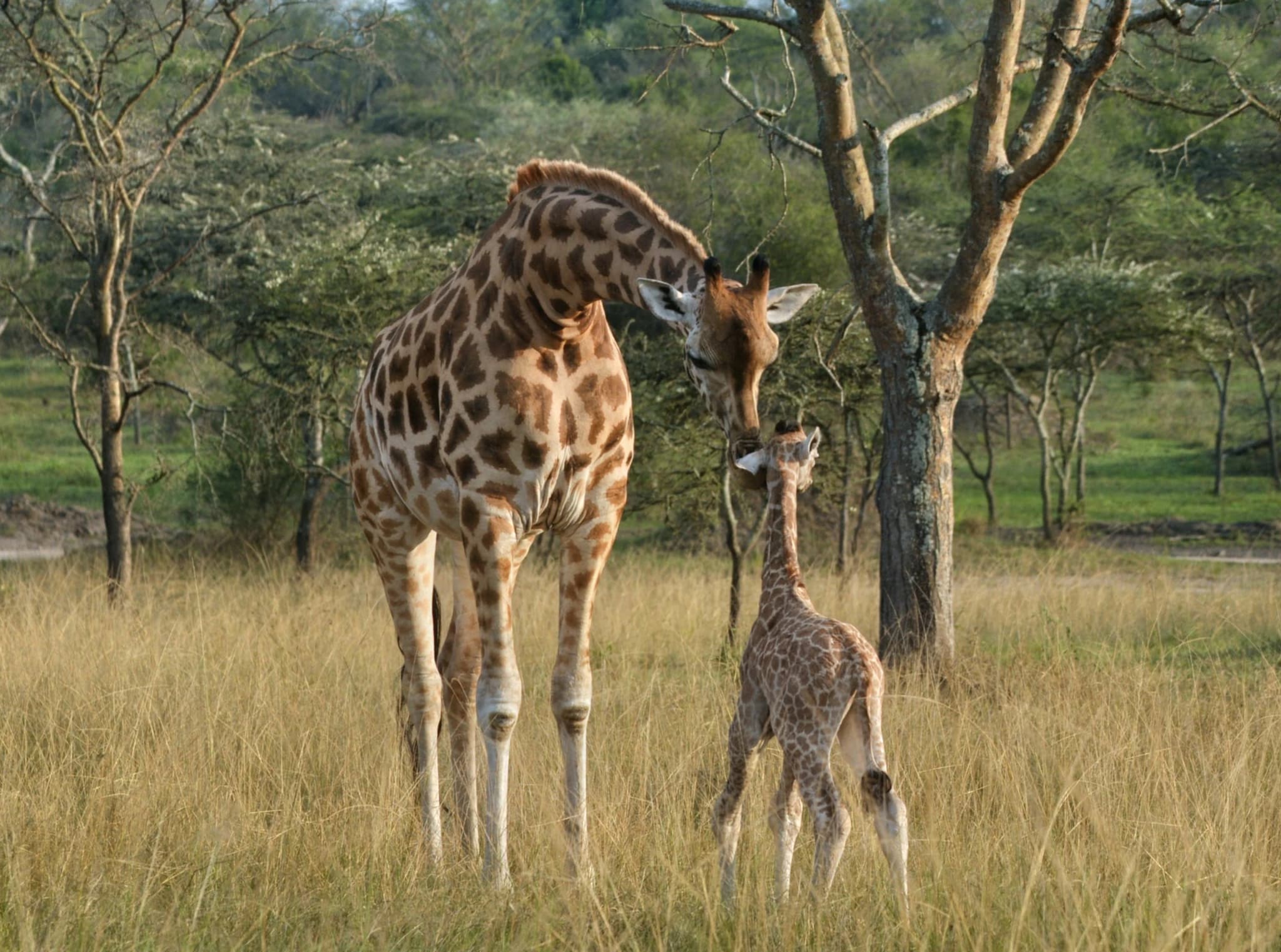
- Rothschild Giraffes
- Cheetahs (only population in Uganda)
- Leopards
- Spotted Hyenas
- Black-backed Jackals
- Bat-eared Foxes
- Caracals
- Aardwolves
- Greater and Lesser Kudus
- Eland
- Oryx (beisa)
- Jackson's Hartebeest
- Bohor Reedbuck
- Klipspringers
- Zebras
Birds
- Ostrich (only park in Uganda with wild ostriches)
- Kori Bustard
- Secretary Bird
- Abyssinian Ground Hornbill
- Karamoja Apalis (endemic)
- Black-breasted Barbet
- Jackson's Hornbill
- Pygmy Falcon
- Egyptian Vulture
- Verreaux's Eagle
- Fox's Weaver
- Golden Pipit
Flora
- Umbrella Acacia trees (iconic savanna trees)
- Desert Date trees
- Whistling Thorn Acacias
- Borassus Palms (along seasonal rivers)
- Commiphora species (myrrh trees)
- Combretum woodland
- Semi-arid savanna grasses
- Euphorbia candelabra
- Aloe species
- Acacia drepanolobium
- Baobabs (occasional)
- Terminalia species
Local Culture & Communities
The Karamojong people are one of Uganda's most traditional communities, having maintained their pastoral lifestyle and distinctive culture into the modern era. They are cattle herders who have lived in the region for centuries, with cattle being central to their social, economic, and spiritual life. The nearby Ik people, living on Mount Morungole, represent one of Uganda's smallest ethnic groups.
Cultural Experiences
- Visit traditional Karamojong manyatta (homesteads) and learn about their pastoral lifestyle
- Experience Karamojong cultural dances, including the spectacular edonga dance ritual
- Learn about the importance of cattle in Karamojong society and traditional cattle keeping practices
- Observe traditional crafts including beadwork, pottery, and basketry
- Meet the Ik people - one of Uganda's most isolated communities on Mount Morungole
- Participate in cultural ceremonies and celebrations (when permitted)
- Support community tourism initiatives that benefit local villages
Best Time to Visit
Wildlife viewing in Kidepo varies dramatically with the seasons. During the dry season, the park ranks among Africa's finest safari destinations, while the wet season transforms the landscape but disperses wildlife.
Dry Season (September-March, especially January-March)
The dry season is the absolute best time to visit Kidepo, particularly the late dry season from January to March when the Narus Valley becomes the only reliable water source for wildlife for many miles. Animals concentrate around the permanent waterholes in spectacular numbers—hundreds of buffalo, elephant herds, and exceptional predator viewing with lions visible almost daily. The sparse vegetation provides excellent visibility for photography and game viewing. Road conditions are optimal for exploring the entire park. This is when Kidepo truly shines as one of Africa's great wilderness destinations.
Wet Season (April-August, peak in April-May)
The wet season transforms Kidepo's semi-arid landscape into a green paradise with wildflowers blooming across the plains. Migratory birds arrive, boosting the park's bird count significantly with spectacular birding opportunities. Wildlife disperses across the park as temporary waterholes fill, making game viewing more challenging but rewarding for those who venture further. The dramatic skies and transformed landscape create stunning photographic opportunities. Some remote areas may become inaccessible due to flooding of seasonal rivers. Fewer tourists mean more exclusive wilderness experiences. The Karamojong manyattas are particularly active with agricultural and pastoral activities.