Kibale National Park
About Kibale National Park
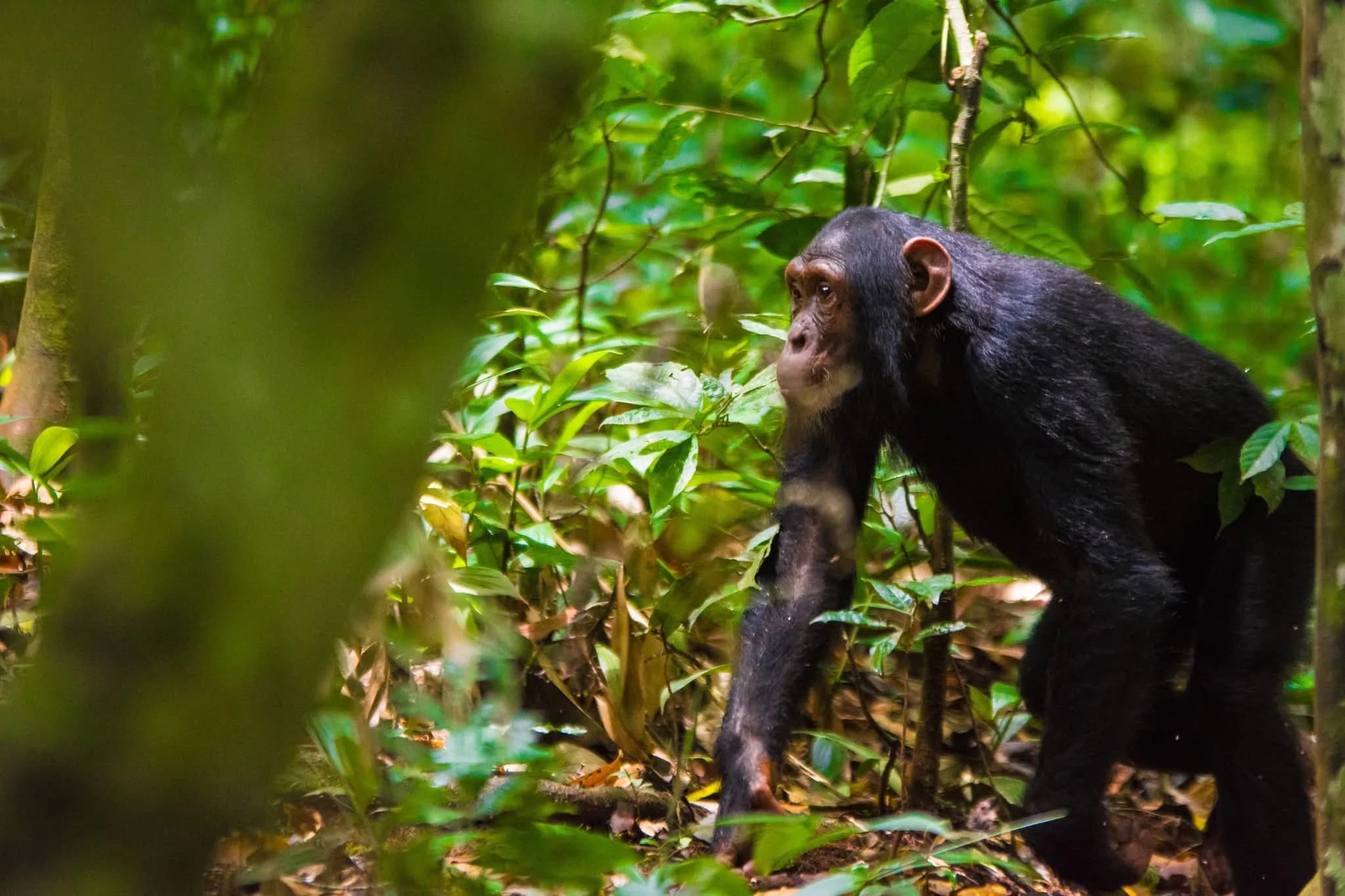
Kibale National Park, located in western Uganda, boasts of being one of the most beautiful and diverse tropical forests in the country. Covering an area of 795 km², the park is home to 13 primate species including over 1,500 chimpanzees. The park is renowned as the 'primate capital of the world' with over 90% chimpanzee sighting success rates. Accommodation options include: Kibale Forest Camp, Primate Lodge, Isunga Lodge, and Turaco Lodge.
The Evolution of the Primate Capital
Kibale Forest was gazetted as a Crown Forest Reserve in 1932 during British colonial rule, primarily for timber production. However, logging practices in the following decades, while extensive, never completely destroyed the forest's ecological integrity.
Recognizing the forest's exceptional biodiversity and importance for primate conservation, the Kibale Forest Reserve was transferred to Uganda National Parks in 1993. It was amalgamated with the nearby Forest Corridor Game Reserve to form the present Kibale National Park.
Since 1993, the Kanyanchu chimpanzee community has been intensively studied and habituated to human presence through the Kibale Chimpanzee Project, one of Africa's longest-running primate research programs. This habituation has made Kibale the premier destination for chimpanzee tracking in East Africa.
Today, Kibale National Park represents one of Africa's finest examples of successful forest conservation, balancing scientific research, tourism, and community development while protecting one of the continent's most important primate populations.
Geography & Climate
Geography
Covering 795 square kilometers in western Uganda, Kibale National Park protects one of Africa's most beautiful and diverse tropical forests. The park consists primarily of mid-altitude moist evergreen forest in the north, which gradually transitions into woodland and savanna in the south. This varied terrain creates multiple ecological niches that support exceptional biodiversity.
Climate
Kibale enjoys a pleasant tropical climate with relatively constant temperatures year-round. Daytime temperatures average around 27°C (81°F), dropping to approximately 15°C (59°F) at night. The forest receives significant rainfall, particularly during two wet seasons, maintaining its lush character. Morning mists are common, creating the ethereal atmosphere that makes forest walks magical.
Wildlife & Nature
Kibale National Park is globally renowned as the 'Primate Capital of the World' due to its exceptional primate diversity and density. The park is home to over 1,200 East African chimpanzees, with habituation success rates exceeding 90% for the tourism groups. Thirteen primate species coexist in this forest, along with diverse mammals, 325 bird species, and over 250 butterfly species.
Mammals
- East African Chimpanzees (over 1,200 individuals)
- Red Colobus Monkeys
- L'Hoest's Monkeys
- Black-and-white Colobus
- Red-tailed Monkeys
- Blue Monkeys
- Grey-cheeked Mangabeys
- Olive Baboons
- African Elephants (forest population)
- African Buffalo
- Giant Forest Hogs
- Bushbucks
- Sitatungas
- Red and Blue Duikers
- Leopards (elusive)
Birds
- Kibale Ground Thrush (endemic subspecies)
- Green-breasted Pitta
- African Pitta
- Black Bee-eater
- Yellow-spotted Barbet
- African Grey Parrot
- Blue-headed Sunbird
- Nahan's Francolin
- White-naped Pigeon
- Western Tinkerbird
- Olive Long-tailed Cuckoo
- Purple-headed Starling
Flora
- Mahogany trees (some reaching 55 meters)
- Giant Fig trees (Ficus species)
- African Olive trees
- Ironwood trees
- Wild Rubber trees
- Tree Ferns
- Strangler Figs
- Polita forest undergrowth
- Orchids (numerous species)
- Lianas and climbing vines
- Forest floor herbs and ferns
Local Culture & Communities
The communities surrounding Kibale, including the Batooro and Bakiga people, have traditional connections to the forest and its resources. Community conservation programs have created partnerships that benefit both local livelihoods and forest protection. The Bigodi Wetland Sanctuary, managed by local communities, demonstrates successful community-based conservation.
Cultural Experiences
- Visit Bigodi Wetland Sanctuary - a community-run ecotourism project with excellent birding
- Participate in traditional Batooro cultural performances featuring royal dances and music
- Tour tea plantations surrounding the park and learn about tea production from local farmers
- Engage with community craft cooperatives producing baskets, jewelry, and traditional textiles
- Join village walks to experience rural Ugandan life and traditional homesteads
- Support women's groups involved in sustainable harvesting of forest products
Best Time to Visit
Kibale National Park can be visited year-round for chimpanzee tracking, with each season offering different advantages. The park's evergreen forest remains lush and productive throughout the year, though trekking conditions vary seasonally.
Dry Season (December-February & June-July)
The drier months provide the most comfortable conditions for chimpanzee trekking with less muddy trails and clearer forest paths. Chimpanzees are somewhat easier to locate as they frequent fruit trees that are more concentrated during this period. Photography conditions are favorable with better lighting filtering through the canopy. This is peak tourist season, so booking permits well in advance is essential.
Wet Season (March-May & September-November)
The wet season sees the forest at its most lush and productive. Chimpanzees have abundant food distributed throughout the forest, which can make tracking more challenging but also more adventurous. Trails can be muddy and slippery, requiring good fitness and waterproof gear. Bird watching is exceptional with resident species joined by migrants. Fewer tourists mean more intimate wildlife encounters and readily available tracking permits.